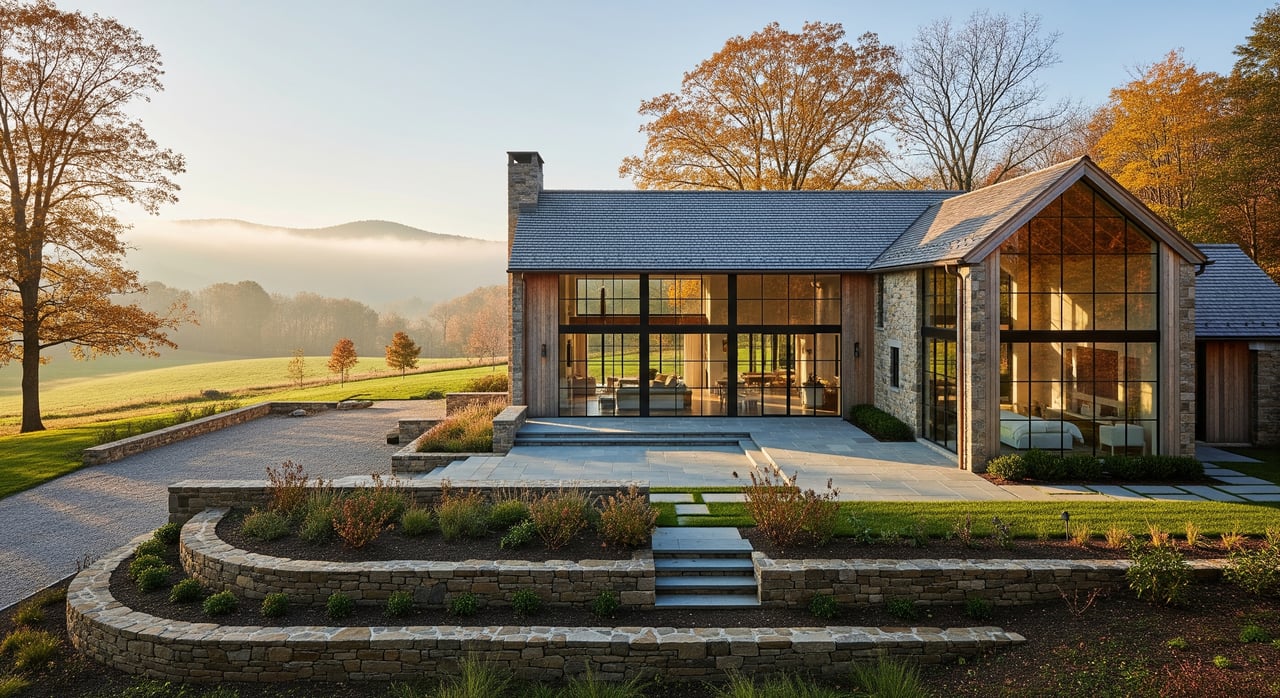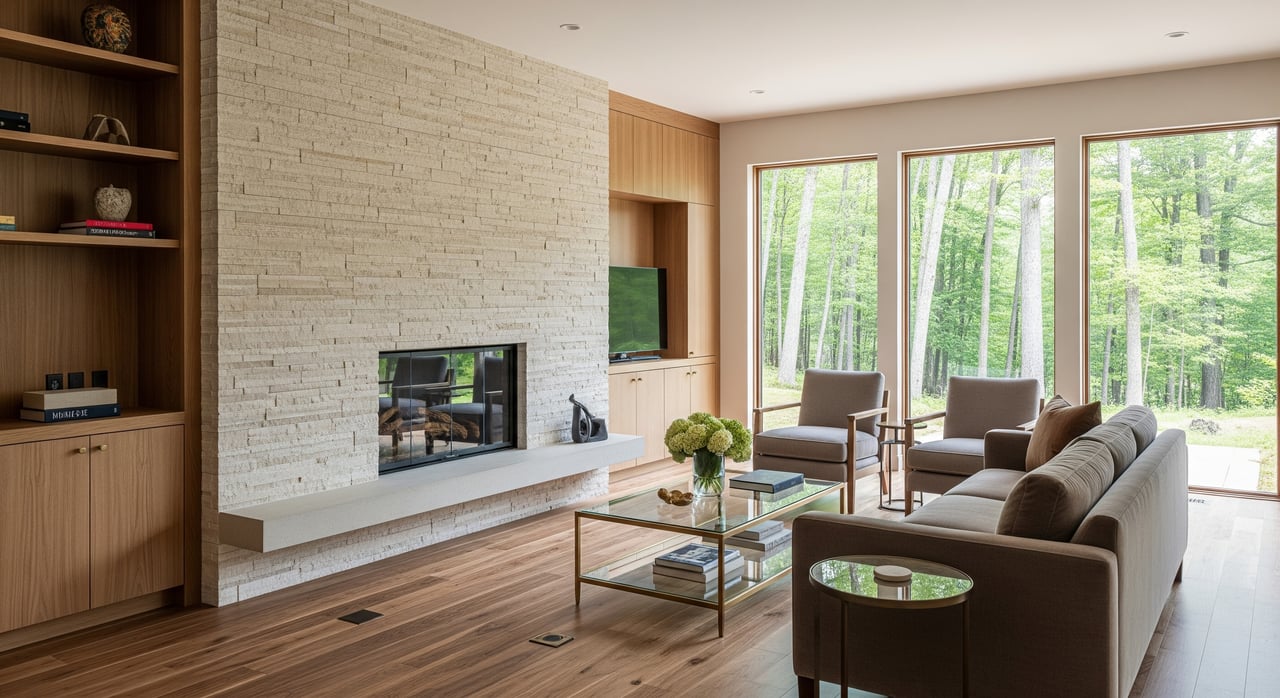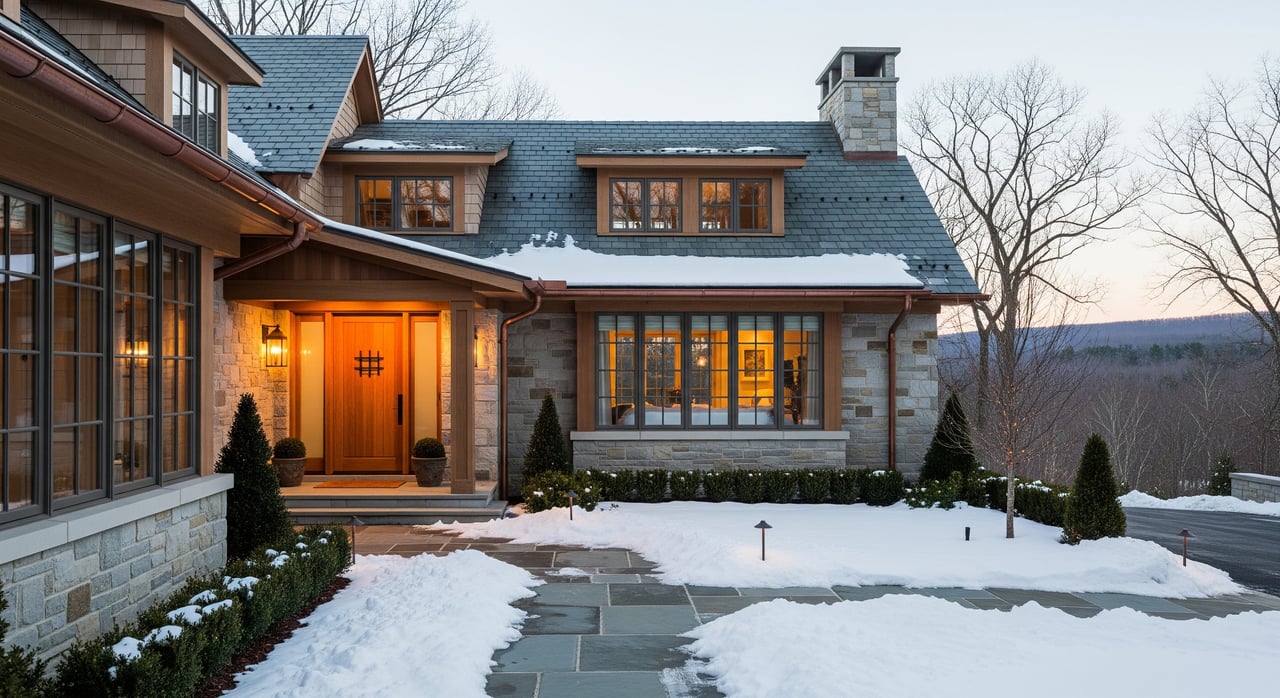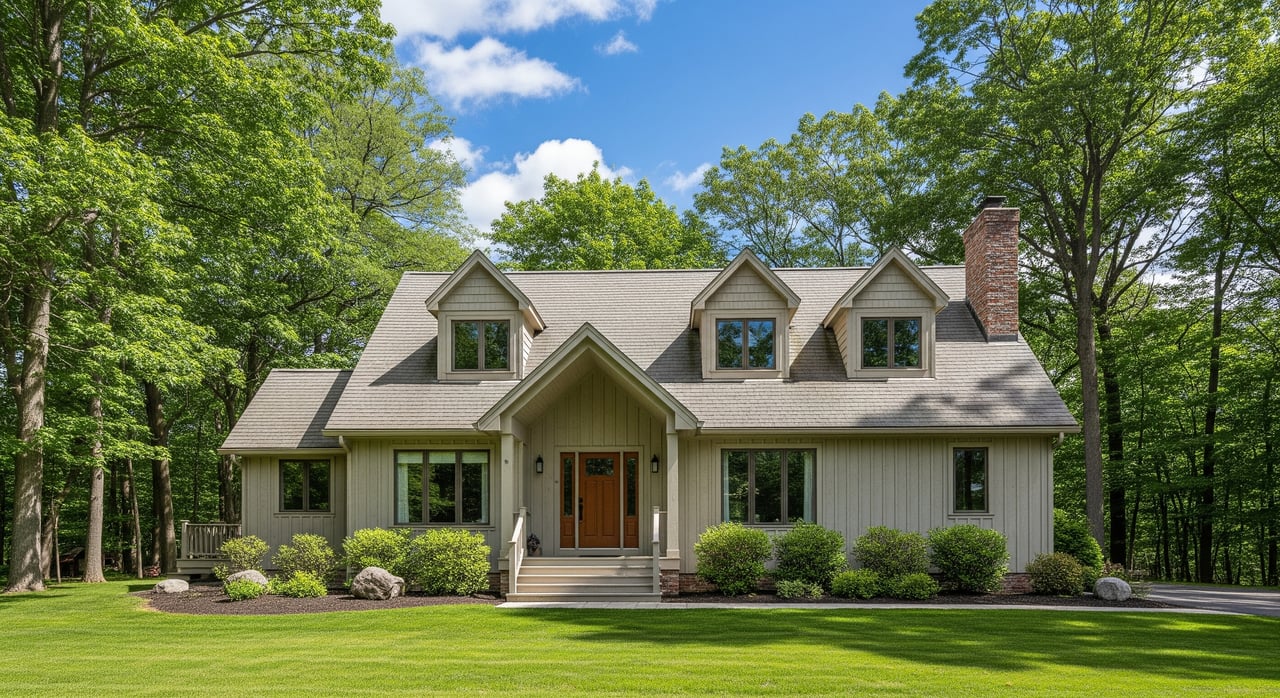
Dreaming of Friday escapes to your own cabin, a crackling stove, and a starry sky instead of city lights? If you live in NYC, the Catskills can deliver that quick reset without a long haul. Buying in Kerhonkson and nearby Ulster County hamlets takes a clear plan though, because inventory moves fast and rural homes come with unique systems and costs. In this guide, you’ll learn how to focus your search, write winning offers, line up financing, and navigate inspections and local rules. Let’s dive in.
Why the Catskills and Kerhonkson
Kerhonkson, in the Town of Rochester, offers a rural feel, easy access to lakes and trails, and a practical hop from NYC. The typical drive is about 1.5 to 2.5 hours depending on traffic and your starting point. You get quiet, scenery, and small-town convenience within reach of larger Hudson Valley hubs.
Demand from second‑home buyers has stayed active since 2020. While the frenzy has cooled from the peak, weekend houses near amenities still draw strong interest. That means inventory can be tight and turnkey homes can attract multiple offers. You’ll also see wide variation in systems like wells, septics, heating fuel, and private roads, which affects your total budget beyond the purchase price.
If you want to track local momentum, ask your agent for recent Ulster County sales, tax records, and market snapshots. These help you understand price trends by hamlet and property type.
Define your search
Start with a short, decisive wish list. Focus on the factors that will actually shape your weekends and budget.
- Commute and access: pick a realistic drive time, then prioritize year‑round access on plowed roads if winter use matters.
- Lot and privacy: set a target for acreage, tree cover, and sightlines from neighboring homes.
- Outdoor features: trails, water access, and views are lifestyle drivers and resale factors.
- Connectivity and services: confirm internet and cell providers, distance to grocery and medical care, and who plows the road.
- Rental intent: if you may rent when not using the home, note that short‑term rental rules vary by town and may shape your options.
Run an efficient process with saved MLS alerts and quick tours. Ask your agent to gather property disclosures before you drive up, including septic records, heating fuel type and age, oil tank history, and any survey. If you live out of town during the week, request video tours and area drive‑bys filmed in different seasons.
Smart offer tactics
You compete best with clarity, speed, and prudent protections.
- Get pre‑approved: bring a current mortgage pre‑approval or proof of funds for cash. Sellers view second‑home buyers more favorably when financing is lined up.
- Use the right contingencies: inspection, financing (if applicable), and time to test the well and septic are standard for rural homes. Attorney review is common in New York and typically happens within a short window that both sides approve.
- Earnest money: a good‑faith deposit is customary, often around 1 to 3 percent depending on price and norms.
- Negotiate with intent: a clean, well‑priced offer with strong financing and a reasonable inspection contingency often wins. An escalation clause can help in multiple bids, but use it carefully. Flexibility on closing timing can also make your offer stand out.
A personal note can humanize your offer, but solid terms carry the most weight.
Financing and what to budget
Lenders treat second homes more conservatively than primary residences. You will likely see higher down payment expectations and stronger reserve requirements.
- Down payment: often 10 to 25 percent, with many lenders preferring 20 percent or more for better pricing.
- Credit and DTI: stronger credit is favored, commonly 700 or higher for best terms, and tighter debt‑to‑income ratios apply.
- Reserves: plan for several months of payments in reserves after closing, often 3 to 12 months of PITI, especially if you carry another mortgage.
- Common loan types: conventional conforming loans are typical. FHA usually does not fit for a second home if you have an existing FHA loan on your primary home.
Buyer closing costs typically land around 2 to 5 percent of the purchase price. Budget for lender fees and origination, appraisal, title search and insurance, attorney fees, recording and transfer taxes, prepaid insurance and taxes, and a survey if needed. Inspections are separate line items and essential in rural areas.
Taxes to expect in New York include state real property transfer tax, generally 0.4 percent of the purchase price. For residential purchases at or above 1,000,000 dollars, a state mansion tax of 1 percent applies. County and municipal transfer and recording taxes vary, so confirm specifics for Ulster County with your attorney or title company.
If you plan to short‑term rent the property, you must collect the appropriate state and local sales and occupancy taxes where applicable.
Ongoing carrying costs
Plan for ongoing annual costs in addition to your mortgage payment:
- Property taxes based on assessed value and town rates
- Homeowners insurance, and flood insurance if inside a FEMA flood zone
- Heating fuel, often oil or propane, along with delivery logistics
- Utilities, trash service, septic pumping every 2 to 5 years, and well maintenance
- Snow removal and any private road association fees
- If renting, property management, cleaning, and higher maintenance and insurance costs
Inspections that matter
The right inspections protect your budget and safety.
- General home inspection: structure, roof, electrical, plumbing, HVAC.
- Septic inspection: verify age, type, and capacity, and review any available records. Site constraints can make repairs more complex.
- Well inspection and water testing: check for coliform bacteria and nitrates, evaluate well yield and pump age.
- Oil tank sweep: older homes may have buried tanks that require removal or abatement.
- Chimney and woodstove: inspect liners, creosote, and code compliance.
- Pest inspection: termites and carpenter ants where appropriate.
- Survey: confirm boundaries and easements, especially if you plan to add structures.
Evaluate common rural issues while touring: driveway steepness and plow access, who maintains the road, well reliability during dry seasons, septic limitations on steep or rocky sites, and fuel storage and delivery. Confirm access rights for shared driveways or rights‑of‑way.
Local rules to confirm
Local codes can shape both how you use the property and what you can change.
- Zoning and town codes: confirm lot coverage, setbacks, accessory structures, and septic setbacks, which vary by town.
- Short‑term rental rules: many Ulster County towns, including the Town of Rochester, have adopted or considered STR regulations. These can include registration, occupancy limits, safety checks, and restrictions in certain zones.
- Watershed and environmental rules: portions of the Catskills fall within the New York City watershed. Properties inside watershed buffers can have added requirements for septic, land disturbance, and building.
- Easements or conservation restrictions: easements run with the land and can limit future development or subdivision.
For permits and records, work with the Town of Rochester building and zoning department, the Ulster County Department of Health for well and septic, and the county clerk and assessor for property records and taxes.
Timeline from search to keys
Your timeline depends on inventory, competition, and financing, but this framework is realistic for most buyers.
- Search and showings: a few weeks to several months based on your criteria and supply.
- Offer to contract: quick if accepted, or several days of negotiation. Attorney review in New York is commonly a short window, often within a week or so as agreed by both sides.
- Inspections: usually within 7 to 14 days of contract, with time to complete septic and water tests.
- Mortgage underwriting: about 30 to 45 days after contract if financed, assuming a clean appraisal and complete documents.
- Closing: 30 to 60 days from contract with financing, often faster for cash buyers.
Touring checklist
Bring this list to first and second visits to stay focused.
- Access: drive the route in weekend traffic, check driveway gradient and winter plow viability
- Utilities: electric provider, heating fuel type, furnace or boiler age and capacity
- Water and septic: well location, visible equipment, known septic type and age
- Energy and envelope: attic insulation, window type, signs of ice dams
- Exterior: roof age and condition, gutters, drainage away from the foundation
- Interior: evidence of water entry, sump pumps, foundation cracks
- Connectivity: actual cell coverage and current internet provider and speeds
- Records: septic pumping logs, water test history, oil tank receipts, and any survey
- Nearby factors: seasonal hunting areas, road noise, commercial activity nearby
- Services: plowing arrangements, local fire department, nearest grocery and urgent care
Your next steps
Set yourself up to move fast and smart.
- Choose a local buyer’s agent who regularly represents weekenders in Kerhonkson and Ulster County.
- Obtain a current mortgage pre‑approval or confirm funds for cash.
- Line up your team: a New York real estate attorney, a general inspector, septic and well specialists, and a title company.
- Confirm town specifics: short‑term rental rules, watershed restrictions, and septic permitting requirements.
- Finalize your budget: down payment, 2 to 5 percent closing costs, immediate repairs or seasonal prep, ongoing carrying costs, and any reserve requirements from your lender.
If you want a curated short list of properties that fit your lifestyle and a team that moves with speed, we are ready. The Wolf Team Catskills pairs boutique, hands‑on service with high‑level market knowledge across Ulster County, from Kerhonkson to Woodstock and beyond. Let’s find your weekend house and make the path to closing smooth. Unknown Company
FAQs
What should NYC buyers know about Catskills commute times?
- Typical drive time to Kerhonkson and nearby hamlets is about 1.5 to 2.5 hours, depending on traffic and your starting point.
How much are closing costs for a Catskills second home?
- Buyer closing costs commonly range from about 2 to 5 percent of the purchase price, plus inspections and any survey.
What inspections are essential for rural Ulster County homes?
- Plan for a general home inspection, septic inspection, well inspection and water testing, an oil tank sweep, chimney review, and pest inspection.
What are New York transfer taxes for buyers to expect?
- New York State real property transfer tax is generally 0.4 percent. For purchases at or above 1,000,000 dollars, a 1 percent mansion tax applies; local taxes vary.
Can I short‑term rent a Kerhonkson weekend house?
- Many Ulster County towns regulate STRs with registrations and limits. You must also collect applicable state and local sales or occupancy taxes where required.
How large a down payment do lenders want for second homes?
- Many lenders prefer 20 percent or more for best pricing, though some may allow 10 percent with strong credit and reserves.