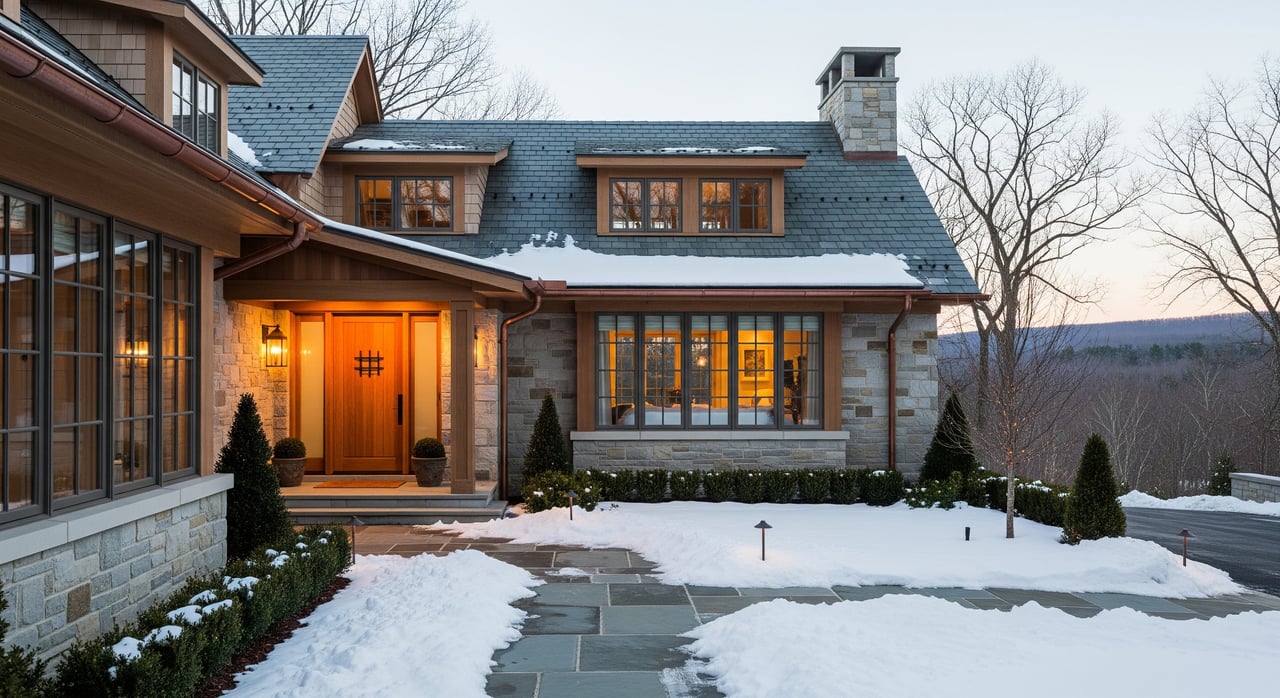
Woodstock winters are gorgeous, but the same freeze–thaw cycles and heavy, wet snow that make the mountains sparkle can punish a luxury home. Whether you live here full time or enjoy a weekend retreat, you want comfort, safety, and a smooth season without mid‑January emergencies. This guide gives you a focused, step‑by‑step checklist tailored to high‑value properties in Woodstock, so you protect your investment and stay winter‑ready. Let’s dive in.
Know Woodstock winter timing
Winters here typically bring measurable snow from November through April, with the heaviest months in January and February. Review the local climate so you can schedule work before the sustained cold hits. See the Woodstock climate summary for monthly norms and snowfall context to help plan your window. Woodstock climate overview.
Repeated daytime thaw and nighttime refreeze can drive ice dams and stress roofing details. Plan prevention work before the first hard freeze so you avoid roof leaks and frozen exterior systems. NWS ice‑dam guidance.
Roof, gutters, and ice dams
Inspect roof and flashing
A fall roof inspection is one of the highest‑return winter tasks for luxury homes.
- Look for loose or missing shingles, cracked seals, and damaged flashing around chimneys, skylights, and vents.
- Check for sagging eaves and signs of prior leaks.
- Confirm attic and soffit vents are clear to promote airflow.
Start small repairs now to prevent interior damage later. Reference: IBHS roof best practices.
Clear gutters and move water away
Blocked gutters are a top contributor to ice dams. Before hard freezes:
- Clean gutters and downspouts thoroughly.
- Add extensions so meltwater discharges well away from the foundation.
- After the first storm, verify gutters are flowing and free of ice buildup.
Learn more about causes and prevention here: NWS ice‑dam guidance.
Stop ice dams at the source
The best fix is to keep the roof deck cold and stop warm air from escaping.
- Air seal attic penetrations first, then add or top off insulation.
- Ensure continuous soffit‑to‑ridge ventilation where design allows.
- Use heat‑trace cables only when other measures are not enough and have them installed per manufacturer guidance.
Plan for complex roofs
Large spans, multiple roof planes, metal cladding, or green roofs deserve a pro review. Ask a qualified roofer or structural engineer to assess snow‑load risks and specify snow‑retention devices on steep or metal roofs to protect people, landscaping, and lower roofs.
Windows and attic efficiency
High‑end glazing and big window walls are beautiful, but they lose heat fast in winter.
- Seal gaps around windows and doors and check weatherstripping.
- Air seal penetrations at the ceiling plane, then insulate the attic to modern levels.
- Add insulated shades or storm panels where appropriate to reduce nighttime heat loss.
Heat, fuel, and fireplaces
Tune the heating system early
Schedule professional service for your furnace, boiler, or heat pump in early fall. Annual maintenance helps prevent breakdowns and keeps efficiency on track. Reference: HVAC service timing.
Confirm fuel and utility logistics
Many Woodstock homes run on oil or propane, and the area is served by Central Hudson for electricity and natural gas. Confirm delivery windows, top off tanks before storms, and verify you have a backup plan for extended outages. See the local service territory for context: Central Hudson service area.
Fireplace and chimney safety
Have fireplaces, wood stoves, and chimneys inspected at least annually. Sweep as needed based on use, and keep documentation for your records or if you host guests. Reference: CSIA inspection guidance and NFPA 211.
Power outages and CO safety
Luxury homes often rely on standby generators or battery systems. Before winter:
- Test your generator under load and schedule annual service.
- Verify safe fuel storage and that your transfer switch was installed by a licensed electrician.
- Install and test carbon‑monoxide detectors on every level and near bedrooms. Learn more: CO alarm safety.
Solar and battery readiness
If your home has solar or batteries, expect some production loss with snow cover and short days. Monitor system performance, and if clearing is needed, use a soft‑bristle roof rake from the ground or hire a qualified service. Avoid walking on icy roofs or using metal tools.
Site, landscape, and septic
Walkways and de‑icing
Protect stone and plantings while keeping paths safe.
- Inspect joints on bluestone, granite, or pavers and repair gaps to limit water intrusion.
- Use calcium‑based or pet‑safe de‑icers compatible with your paving.
- Confirm heated paver systems are serviced and operational before storms.
Trees and branches
Schedule an ISA‑certified arborist to evaluate dead or overhanging limbs, especially near roofs, drives, and power lines. Pruning for clearance and structure reduces the risk of storm damage to buildings and vehicles.
Septic and wastewater protection
Prevent freezing and ensure winter access.
- Add mulch or soil over shallow tanks and mark risers before snow.
- Do not drive or pile plowed snow over drainfields.
- If the home will be vacant, consult a septic pro about winter procedures and pumping. Reference: Seasonal septic care.
Permits and local rules
If you plan structural work, generator installation, or chimney rebuilds, confirm permit requirements with the Town of Woodstock Building Department. Owners who operate short‑term rentals should keep up with required safety inspections and documentation. Review local code context here and verify details with the Town before work begins: Town of Woodstock code reference.
Quick‑start timeline
Late summer to early fall
- HVAC tune‑up and filter changes
- Roof and gutter inspection and cleaning
- Chimney inspection and sweep
- Tree risk assessment and pruning
- Generator testing and service
Mid fall
- Air seal and insulate attic
- Install or verify snow‑retention on steep or metal roofs
- Winterize irrigation, outdoor kitchens, and water features
- Confirm fuel deliveries and snow‑removal vendor
Early winter and ongoing
- After first storms, recheck gutters for ice
- Monitor roof for unusual snow loads and drifting
- Keep tanks topped off and test CO and smoke detectors monthly
Ready to protect your home and your property value this season? If you want a pre‑listing winter‑readiness walkthrough or trusted vendor referrals, reach out to Rich Vizzini for local guidance tailored to premium Catskills properties.
FAQs
When should I start winter maintenance in Woodstock, NY?
- Begin in early fall so roof, gutters, HVAC, chimney, trees, and fuel deliveries are handled before sustained freezes and peak demand.
How do I prevent ice dams on a luxury roof?
- Air seal and insulate the attic, confirm continuous ventilation, keep gutters clear, and use professionally designed de‑icing only if needed for persistent trouble spots.
How often should a chimney be inspected or swept?
- Schedule an inspection at least once a year and sweep as needed based on fuel type and usage, keeping certificates for your records.
Do I need a generator for a Woodstock home and what size?
- Size depends on the circuits you want to power; have a licensed electrician perform a load calculation and then test and service the system annually.
Who is responsible for clearing sidewalks and hydrants in Woodstock, NY?
- Local rules often require adjacent owners to clear sidewalks and keep hydrants accessible within a set time after snowfall; confirm current timing and enforcement with the Town of Woodstock.